

The spa and wellness industry in 2026 is more competitive than ever. Clients discover services through Google searches, Instagram reels, and online reviews, not yellow pages or walk-ins. Today’s spa-goers expect seamless online booking, personalized follow-ups, and Instagram-worthy experiences they can share.
To meet these expectations while managing operations, spa owners need digital marketing tools that work smarter, not harder. In this guide, we’ll explore the five must-have digital marketing tools for spas in 2026 that deliver measurable results without requiring a marketing degree.
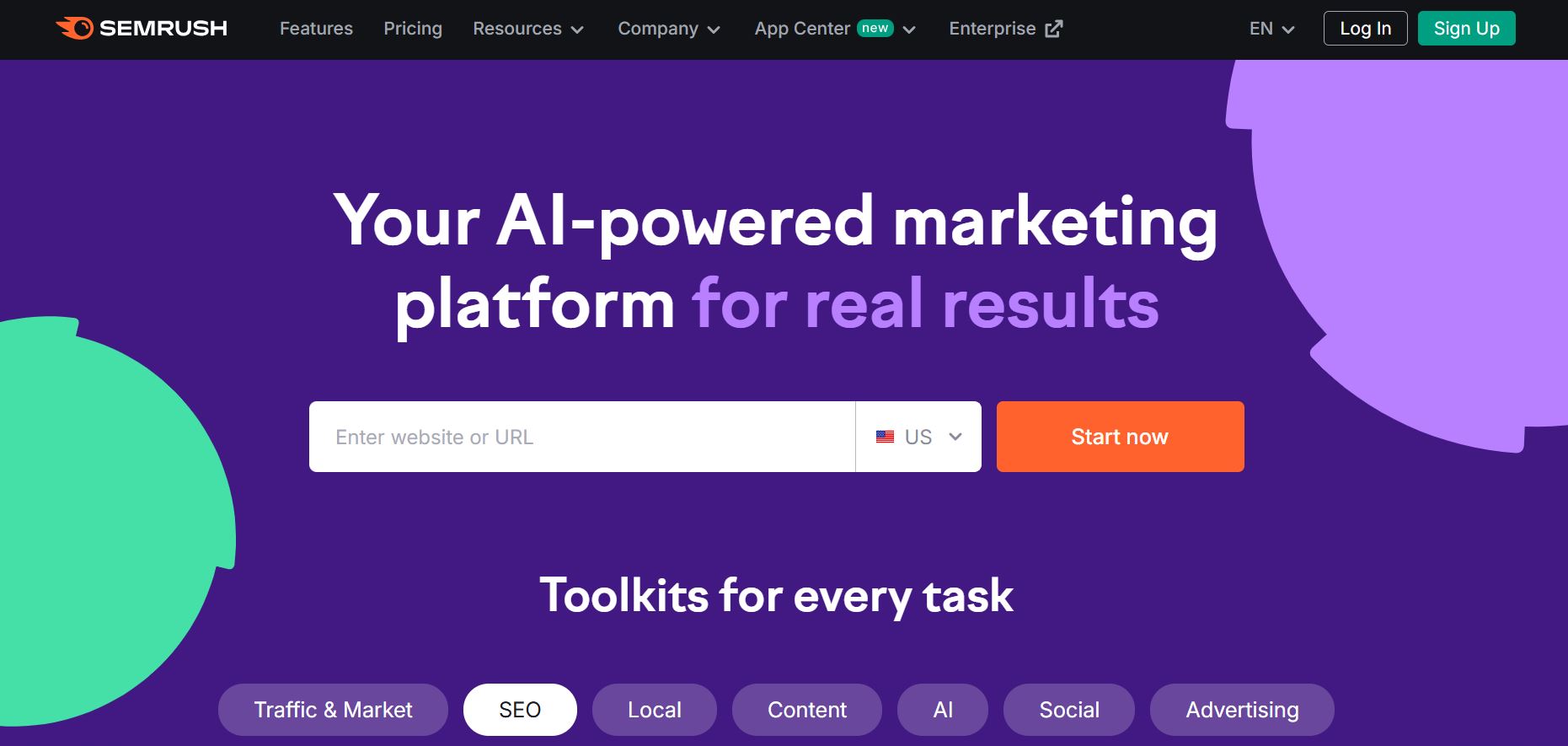
1. Semrush or Ahrefs – SEO & Competitor Intelligence
Semrush and Ahrefs are professional SEO platforms that reveal which keywords drive traffic to competitor spas, identify content gaps your website should fill, and track your visibility for services such as “deep tissue massage,” “hydrafacial treatment,” or “couples spa packages.”
For spas, these tools excel at local SEO research, discovering the specific search phrases people use in your area, analyzing which businesses appear in the map pack, and identifying backlink opportunities from local directories, wellness blogs, and partnership websites.
- The keyword tracking features let you monitor rankings for your core services and seasonal offerings, such as “Mother’s day spa packages” or “summer body treatments.”
- Competitor analysis reveals winning strategies you can adapt. See which blog content ranks highest for rival spas, what keywords they target in paid search, and where they earn authoritative backlinks. This intelligence informs content planning, helps you differentiate service descriptions, and identifies underserved niches in your local market.
These tools provide the roadmap to consistent organic visibility that compounds over time, reducing dependence on paid advertising.
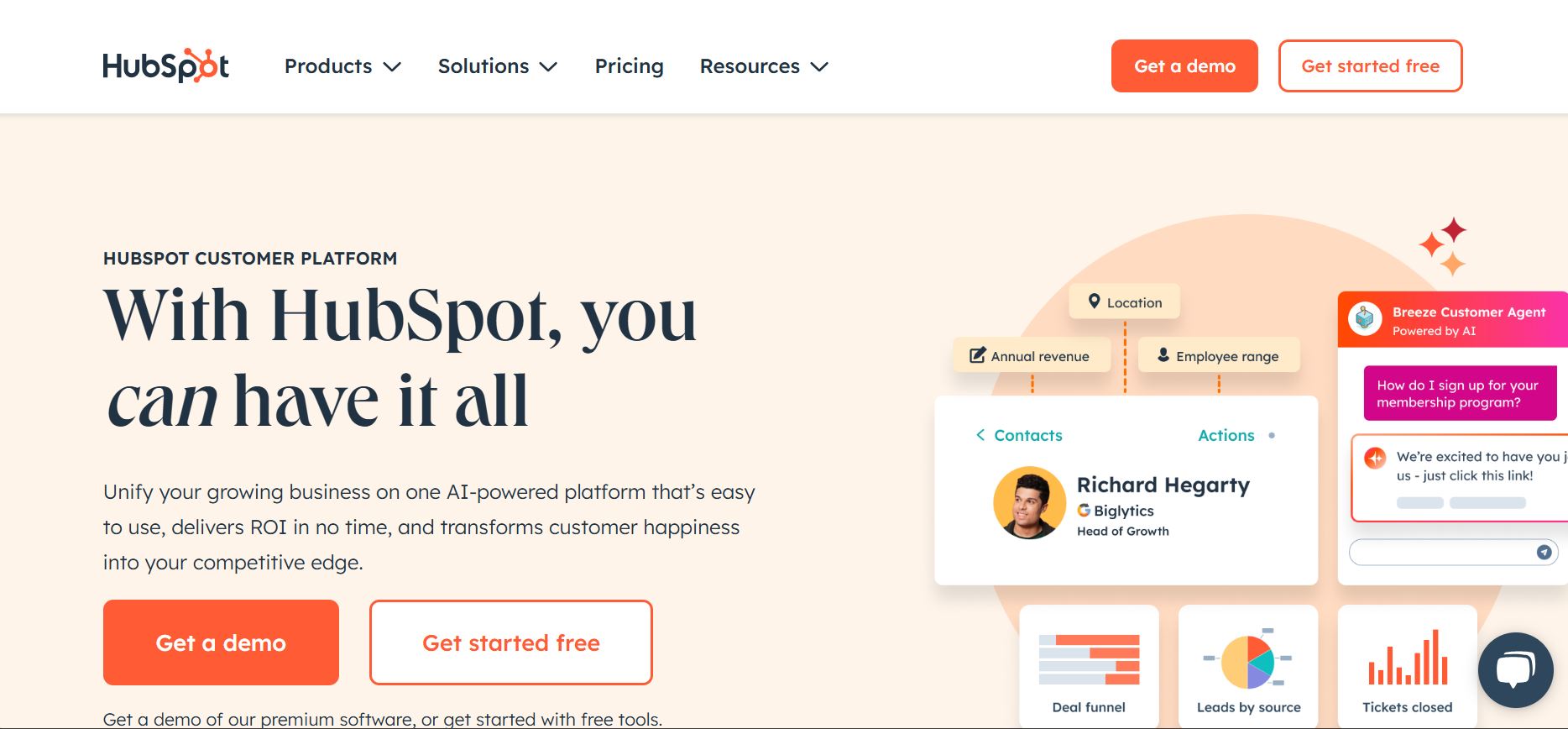
2. HubSpot – CRM, Automation & Lead Nurturing
HubSpot serves as the central nervous system of spa marketing, combining customer relationship management, marketing automation, and analytics on a single platform. For spas, this means every client interaction, from website inquiry to post-visit feedback, lives in a unified database that powers personalized, automated communication.
- The CRM captures leads from your website, social media, and phone calls, automatically organizing them by treatment interest, location, and engagement level.
- Marketing automation handles the repetitive but essential touchpoints: sending booking confirmations, pre-appointment reminders, post-visit thank-you emails, birthday offers, and re-engagement campaigns for clients who haven’t booked in 90 days.
- Email and SMS marketing workflows nurture leads who aren’t ready to book immediately. Someone who downloads your “Guide to Choosing the Right Facial” receives a carefully timed sequence that introduces your expertise, showcases client results, and offers a first-visit discount. This automated nurturing converts browsers into clients without manual follow-up from your front desk.
- Funnel tracking illuminates the customer journey from first website visit through appointment booking and repeat visits. You see exactly where potential clients drop off, which services have the highest conversion rates, and what marketing channels deliver the most valuable customers.
Spa-specific use cases include automated membership renewal reminders, package upgrade offers based on service history, seasonal campaign management, and loyalty program tracking. The platform scales from single-location day spas to multi-location med spa franchises.
3. Canva Pro / Business – Visual Content & Branding
Spa marketing lives or dies on visual appeal. Canva Pro transforms non-designers into prolific content creators, enabling consistent production of social media posts, promotional graphics, email headers, service menus, and short-form video content that maintains professional brand standards.
- The platform offers thousands of spa-specific templates, Instagram posts showcasing treatments, story templates for promotions, video templates for TikTok and Reels, and print materials like gift certificate designs and price lists.
- The drag-and-drop interface lets your front desk coordinator create yesterday’s featured facial post in five minutes, rather than waiting days for a graphic designer.
- Canva AI accelerates creation further with background removal for product photos, Magic Resize for adapting designs across platforms, and intelligent layout suggestions.
- Brand Kit features ensure every piece of content reinforces your spa’s identity, consistent colors, fonts, logos, and design elements across all touchpoints.
- Short-form video creation tools within Canva address the dominant content format of 2026. It helps create treatment demonstrations, client testimonials, before-and-after compilations, and behind-the-scenes content that performs well on Instagram Reels, TikTok, and YouTube Shorts.
4. Google Analytics 4 (GA4) – Performance & ROI Tracking
GA4 represents the evolution of web analytics for privacy-conscious 2026, providing essential performance insights while respecting user data protection. For spas, this free tool answers critical business questions: Which marketing channels drive bookings? What content convinces visitors to schedule appointments? How do mobile users behave differently than desktop visitors?
- The platform tracks the complete customer journey from the first website visit through online booking or phone-call conversion. You see which blog posts generate the most appointment requests, what social media traffic converts best, and which service pages need improvement.
- Event tracking captures specific actions like “view pricing,” “start booking process,” and “submit contact form,” revealing exactly where potential clients engage or abandon.
- User behavior insights inform website optimization.
- Heat mapping shows which sections capture attention, path analysis reveals how visitors navigate before booking, and conversion funnel reports highlight drop-off points in the scheduling process. These insights drive iterative improvements that compound booking rates over time.
Integration with Google Ads connects advertising spend directly to business outcomes. See which search campaigns, display ads, and remarketing efforts generate actual appointments.
5. Zapier + AI Tools (ChatGPT / Jasper) – Automation & Content Engine
Zapier combined with AI content tools creates a powerful automation and content production system that operates in the background, eliminating manual work and accelerating output. For spas, this combination handles everything from automated lead distribution to high-volume content creation.
- AI tools like ChatGPT and Jasper generate marketing copy at scale—blog posts about seasonal treatments, email sequences for service promotions, social media captions, Google Ads variations, and FAQ content for your website. What once required hiring a copywriter or spending hours writing becomes a 15-minute task with AI assistance. The content needs human editing and brand voice refinement, but the heavy lifting happens automatically.
- Zapier connects your marketing ecosystem, creating workflows like: new online booking → add client to HubSpot CRM → send booking confirmation email → create reminder SMS 24 hours before appointment → request review 3 days after visit. These multi-step automations run continuously without manual intervention.
Practical spa automation examples include: website inquiry form submissions automatically creating tasks in your project management system and sending lead details to treatment coordinators; new blog posts automatically sharing to Facebook, Instagram, and email newsletters; Google Business Profile reviews triggering thank-you messages and internal notifications; membership renewals generating personalized upgrade offers based on service history.
This automation infrastructure saves 10-15 hours weekly while ensuring consistent follow-up, timely communication, and systematic lead nurturing. For small spa teams wearing multiple hats, these tools provide the leverage to compete with larger competitors’ dedicated marketing departments.
How These Digital Marketing Tools Work Together for Spas
Maximum impact comes from orchestrating these tools into an integrated marketing ecosystem rather than using them in isolation. Here’s how a well-optimized spa marketing stack operates:
- Semrush or Ahrefs guides content strategy by revealing which spa services and wellness topics your target clients search for locally. You create blog content, service pages, and local landing pages targeting these high-intent keywords to establish topical authority and drive organic traffic.
- HubSpot captures this traffic through optimized forms, chatbots, and calls-to-action, converting anonymous visitors into known leads. The CRM segments contacts by service interest and engagement level, triggering personalized nurture sequences that educate, build trust, and incentivize first bookings.
- Canva fuels the visual content feeding social media, email campaigns, and paid advertising. Consistent, professional graphics maintain brand presence across all channels, while short-form videos drive discovery and engagement on Instagram and TikTok.
- Google Analytics 4 tracks performance across this entire ecosystem—which SEO content drives conversions, what email campaigns generate bookings, which social platforms deliver qualified traffic, and where paid advertising delivers positive ROI. These insights inform budget allocation and strategic pivots.
- Zapier and AI tools automate the connective tissue between platforms and accelerate content production. Leads flow automatically from website to CRM, booking confirmations trigger across systems, content is published to multiple channels simultaneously, and AI assists with the copy volume modern marketing demands.
This integrated approach means each tool amplifies the others. SEO traffic feeds your CRM, CRM data personalizes content, content performance informs SEO strategy, and automation ensures consistent execution. The result is a marketing machine that attracts, converts, and retains clients systematically.
FAQs – Digital Marketing Tools for Spas
1. What is the best digital marketing tool for spa owners in 2026?
HubSpot stands out as the most comprehensive single platform for spas, combining CRM, marketing automation, email/SMS campaigns, and analytics. However, the “best” tool depends on your primary need. If SEO and local visibility are priorities, start with Semrush. If content creation bottlenecks your marketing, Canva Pro delivers immediate impact. Most successful spas use 3-4 integrated tools rather than relying on a single platform.
2. Do spas really need AI marketing tools?
Yes, AI tools have become essential for competing effectively in 2026. They enable small teams to produce content volume and personalization that previously required large marketing departments. AI assists with blog writing, ad copy, email sequences, social media captions, and customer service responses—accelerating output while maintaining quality.
3. Which tools help spas get more local clients?
Semrush or Ahrefs for local SEO research and tracking, Google Business Profile optimization (built into Google’s free tools), and HubSpot for capturing and nurturing local leads. GA4 helps identify which local marketing channels perform best. The combination of strong local SEO, active Google Business Profile management with review generation, and automated follow-up for inquiries dramatically increases local client acquisition.
4. Are these tools suitable for small or single-location spas?
Absolutely. These tools scale from single-location day spas to large wellness chains. Many offer tiered pricing with entry-level plans suitable for small businesses.
5. Can automation replace manual marketing for spas?
Automation handles repetitive tasks but can’t replace strategic thinking and authentic relationship building. Use automation for appointment reminders, review requests, email sequences, social media scheduling, and lead distribution, freeing your team for high-value activities like personalized consultations, community engagement, and creative campaign development. The best approach combines automated efficiency for routine tasks with human touch for client relationships and strategic decisions.