

Modern performance marketers navigate fragmented attribution across Google Ads, Meta, TikTok, Amazon, and emerging platforms while contending with privacy restrictions that eliminated traditional tracking methods. AI generates thousands of ad variations, demanding creative-level analytics that identify winning elements within campaigns. Attribution has become the industry’s most pressing challenge, connecting customer touchpoints across devices, platforms, and weeks-long consideration periods to understand what actually drives conversions.
Meanwhile, rising costs across all platforms intensify pressure to optimize every dollar. In this environment, paid ads analytics tools have transcended nice-to-have reporting dashboards to become essential operating systems for profitable growth. This guide examines five paid ads analytics tools for 2026 that help performance marketers, eCommerce brands, and agencies navigate complexity, prove ROI, and scale what works.
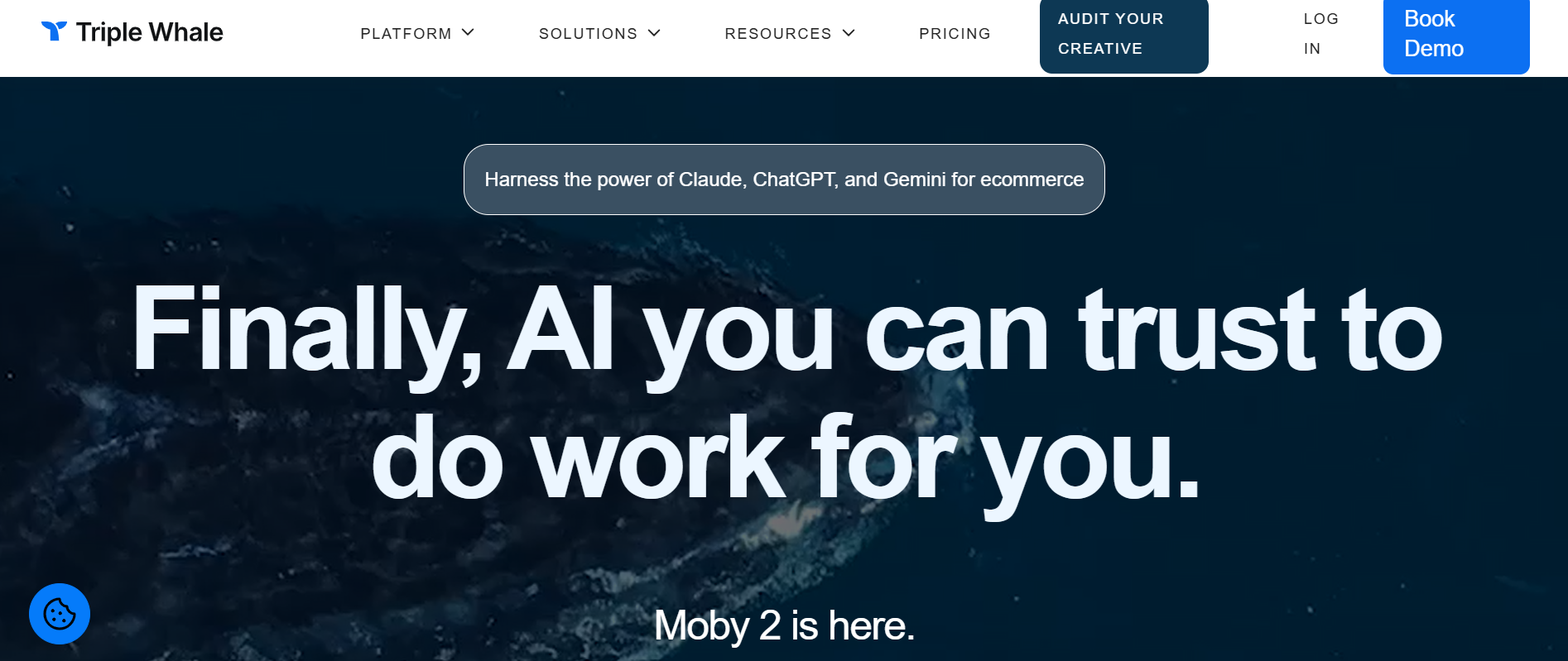
1. Triple Whale – AI-Powered Attribution for eCommerce
The platform consolidates data from Meta, Google, TikTok, Klaviyo, Shopify, and other DTC tools into a unified dashboard that reveals true customer acquisition costs and channel performance.
- The standout feature is creative and product-level analytics that show exactly which ad creatives, product categories, and customer cohorts drive profitable growth. You see not just which campaigns generate sales, but which specific images, videos, and value propositions convert, enabling creative teams to double down on winners and kill underperformers quickly.
- “Moby,” Triple Whale’s AI analyst, provides conversational insights on demand. Ask “which ad creative performed best last week?” or “why did customer acquisition costs spike on Tuesday?” and receive plain-English explanations with supporting data. This accessibility democratizes analytics beyond dedicated data teams.
- Post-iOS tracking advantages come from Triple Whale’s pixel and server-side integration that captures conversion data platforms like Meta can’t see anymore. While not perfect, their attribution modeling provides significantly better accuracy than platform-native reporting, helping brands understand true performance despite tracking limitations.
Limitations include a focus primarily on eCommerce (not lead generation or B2B), and pricing that may strain smaller budgets. The platform shines for brands where improved attribution accuracy directly impacts multi-million dollar media buying decisions.
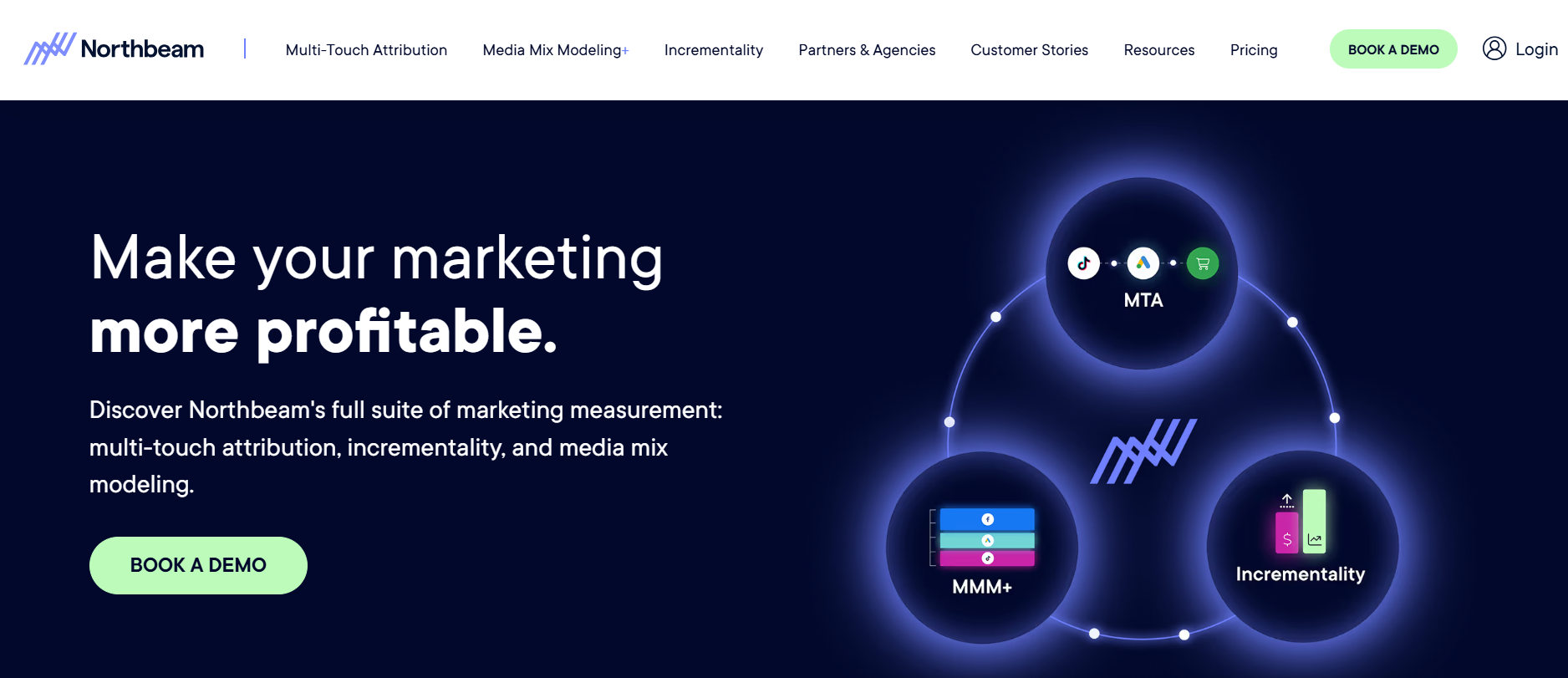
2. Northbeam – Advanced Multi-Touch Attribution
The platform is built for high-volume eCommerce brands spending seven figures annually who need precision attribution to optimize complex, multi-channel media strategies.
- Media mix modeling uses statistical analysis to understand how different marketing channels contribute to conversions, accounting for factors like brand awareness, seasonality, and cross-channel synergies that simple tracking can’t capture. This approach works even when individual user tracking fails, making it particularly valuable in the privacy-restricted 2026 landscape.
- Cross-channel attribution accuracy comes from proprietary algorithms that analyze billions of data points to assign credit appropriately across the customer journey. Northbeam shows how a YouTube awareness campaign influences subsequent Instagram engagement and Google search behavior leading to purchase—insights invisible in platform-specific reporting.
- The platform excels for scaling brands managing complex media mixes across paid social, paid search, display, affiliate, influencer, and other channels. The data clarity helps CMOs make strategic allocation decisions confidently, knowing which channels drive incremental revenue versus simply claiming last-click credit.
However, this sophistication comes with complexity. Implementation requires dedicated analytics resources, pricing reflects enterprise positioning, and the learning curve is steeper than plug-and-play solutions.
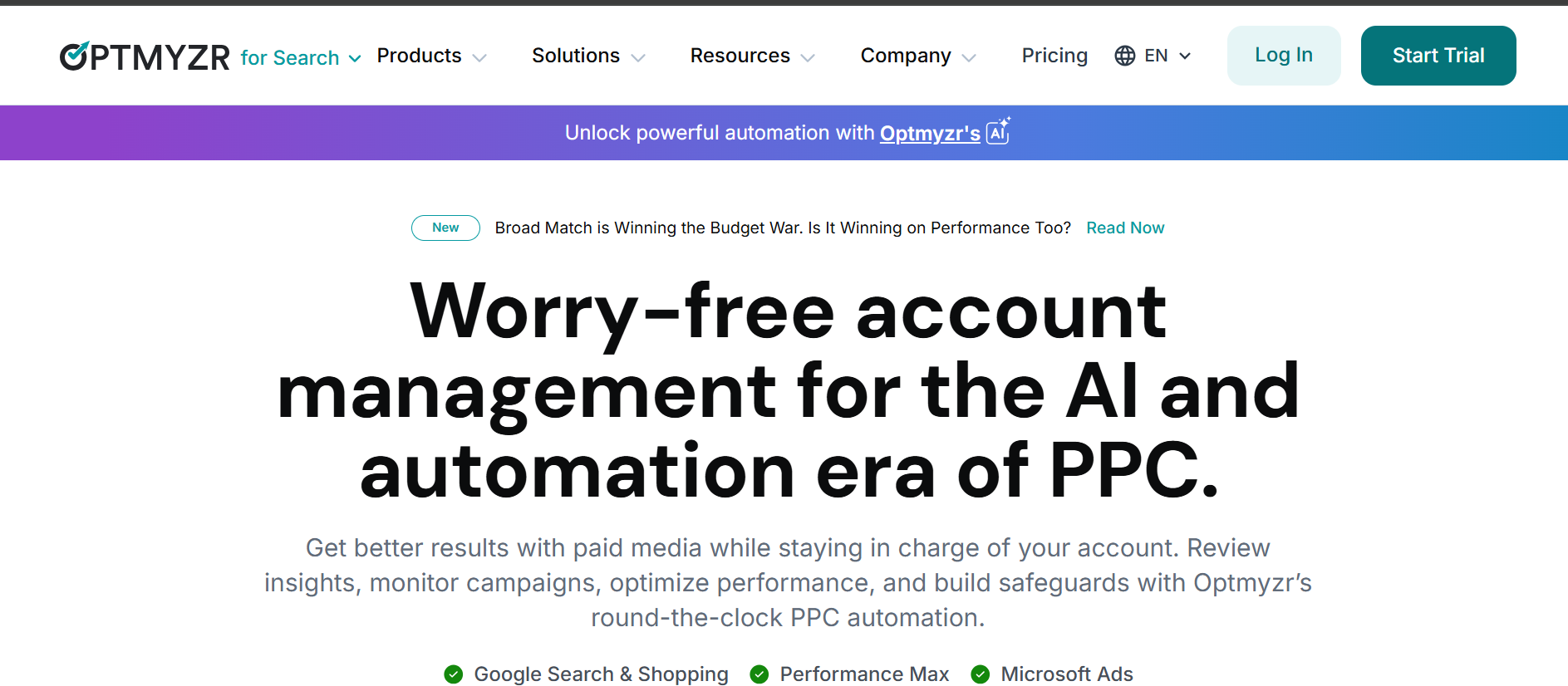
3. Optmyzr – PPC Automation & Optimization Engine
Optmyzr specializes in Google Ads and Microsoft Ads optimization through AI-powered automation that handles the tedious, repetitive tasks consuming PPC specialists’ time.
- The platform is particularly valuable for agencies managing dozens of client accounts and in-house teams running complex search campaigns.
- Bid management automation uses machine learning to adjust bids continuously based on performance goals, time of day, device type, audience segments, and conversion likelihood. This algorithmic optimization responds faster than manual management while testing more variables simultaneously, improving efficiency at scale.
- Performance alerts and monitoring flag issues immediately—budget pacing problems, dramatic performance shifts, disapproved ads, or broken tracking. These notifications prevent small issues from becoming expensive disasters, especially valuable when managing multiple accounts where manual monitoring is impractful.
- One-click optimizations and scripts automate common tasks like pausing underperforming keywords, adjusting bids based on weather or inventory levels, generating negative keyword lists, and reorganizing campaign structures for improved quality scores. What once required hours of manual work happens instantly.
The platform is ideal for PPC specialists and agencies focused primarily on Google and Microsoft search advertising who need to scale their management capacity without proportionally increasing headcount. Limitations include less robust support for social advertising and display campaigns, where other tools on this list excel. Optmyzr solves the specific problem of search campaign optimization at scale, and does so exceptionally well.
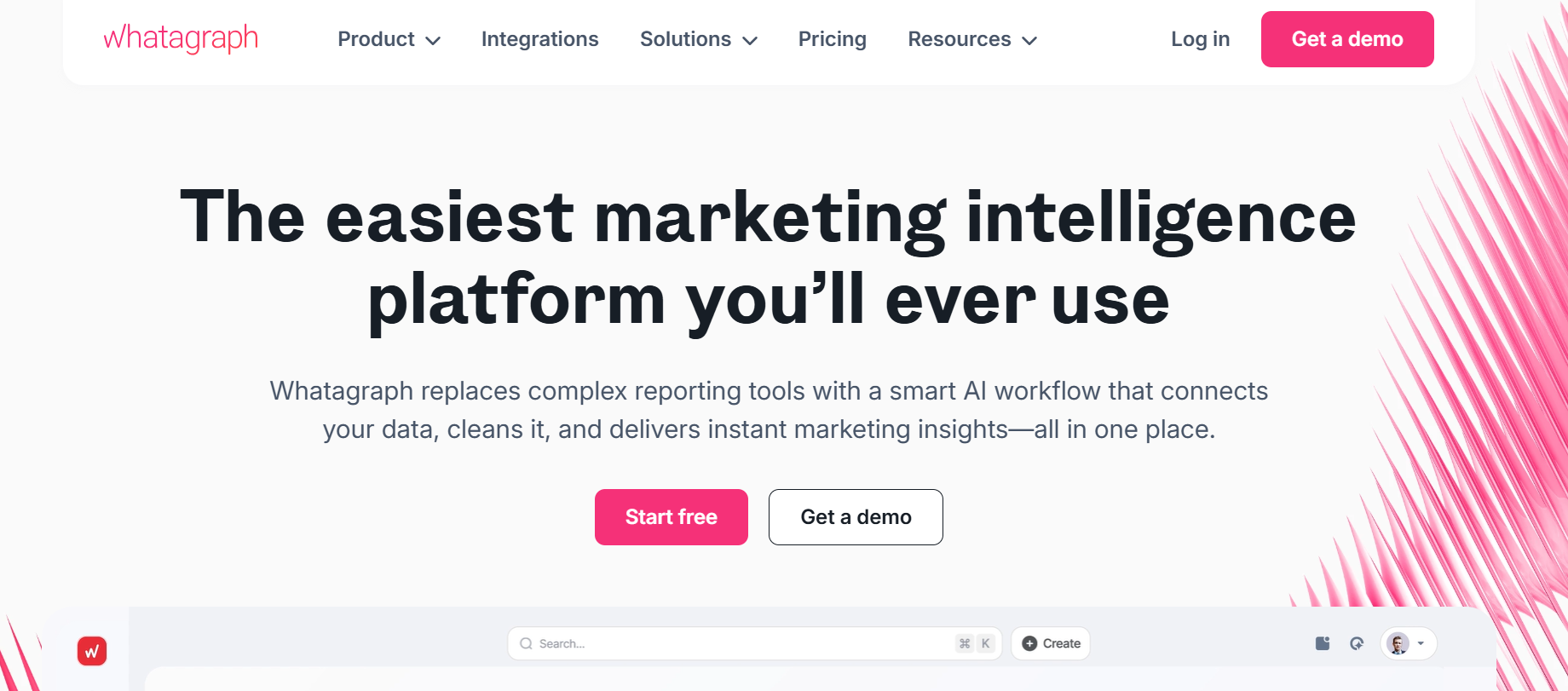
4. Whatagraph – Cross-Channel Reporting & Dashboards
Whatagraph tackles the reporting nightmare of consolidating data from 45+ marketing platforms into unified, client-ready dashboards. For agencies presenting performance to clients or in-house teams reporting to executives, Whatagraph transforms scattered platform data into coherent narratives.
- Multi-source data visualization pulls metrics from Google Ads, Meta, LinkedIn, TikTok, GA4, email platforms, CRM systems, and eCommerce stores into customizable dashboards and automated reports. Pre-built templates for common use cases (paid advertising performance, social media overview, eCommerce metrics) accelerate setup, while full customization handles unique KPI requirements.
- IQ Chat, Whatagraph’s AI-powered assistant, provides conversational analytics. Stakeholders can ask “how did paid social perform last quarter?” or “which campaigns drove the most revenue in November?” and receive instant, data-backed answers without navigating complex dashboards. This accessibility helps non-technical stakeholders engage with performance data meaningfully.
- Client-ready presentation features include white-label branding, automated report delivery, and visualization options that transform raw data into compelling performance stories. Agencies use Whatagraph to streamline monthly reporting from hours of manual compilation to automated delivery, freeing senior strategists for higher-value analysis.
- Use cases extend beyond agencies, any team reporting performance across multiple platforms benefits from consolidated dashboards. Marketing directors overseeing multiple channel owners, eCommerce brands tracking holistic performance, and consultants demonstrating value to clients all gain efficiency.
The limitation is that Whatagraph focuses on reporting and visualization rather than attribution or optimization, making it complementary to rather than replacing attribution-focused tools.
Other Notable Paid Ads Analytics Tools by Category
Beyond the top five, several specialized tools deserve consideration depending on specific needs and use cases.
- Creative analytics platforms like Motion, Pencil, and AdCreative.ai focus specifically on creative performance analysis and AI-generated ad variations. These tools identify winning visual elements, generate creative alternatives programmatically, and provide asset-level performance breakdowns that inform production priorities. They’re particularly valuable for brands running high-volume creative testing across Meta and TikTok.
- Reporting and data connectors like Supermetrics and AgencyAnalytics specialize in pulling data from marketing platforms into Google Sheets, Data Studio, or other business intelligence tools. These middleware solutions provide flexibility for teams building custom analytics stacks or using specific BI platforms not natively supported by advertising tools.
- Competitive spy tools including SpyFu, Adbeat, and PPC Spy Bot extend competitive intelligence beyond Semrush’s capabilities, offering features like historical ad tracking, display ad monitoring, and deeper competitive spend estimates. These niche tools support competitive strategy development and market opportunity identification.
- Privacy-focused analytics platforms like Matomo and Plausible provide cookieless, GDPR-compliant measurement for brands prioritizing privacy compliance over tracking granularity. While less powerful for attribution, they offer sustainable measurement approaches aligned with regulatory trends.
- Foundational tools like Google Analytics 4 and Google Keyword Planner remain essential baseline analytics, providing free insights that inform paid strategy even when supplemented by premium platforms. GA4 especially serves as the attribution benchmark against which other tools are evaluated.
FAQs – Paid Ads Analytics Tools
What is the best paid ads analytics tool?
The “best” tool depends entirely on your primary analytical need. For eCommerce brands needing accurate attribution across Meta, Google, and TikTok, Triple Whale or Northbeam excel. For PPC specialists optimizing Google Ads campaigns, Optmyzr delivers unmatched automation. Agencies requiring client reporting across platforms benefit most from Whatagraph. Competitive strategy demands Semrush. Most sophisticated operations use 2-3 complementary tools rather than seeking one perfect solution.
1. Do I still need GA4 if I use attribution tools?
Yes, GA4 serves different purposes than specialized attribution platforms. While tools like Triple Whale focus on paid channel attribution, GA4 tracks overall website behavior, organic traffic, direct conversions, and user engagement that contextualizes paid performance.
GA4 answers whether paid advertising drives incremental growth or simply captures demand that would have converted organically. Use attribution tools for paid channel optimization and GA4 for holistic business measurement.
2. Which analytics tools are best for eCommerce brands?
Triple Whale and Northbeam are built specifically for eCommerce attribution challenges, particularly DTC brands on Shopify, WooCommerce, or similar platforms. They integrate natively with eCommerce systems, track product-level performance, and handle the multi-touch attribution complexity of online retail. Supplement with Whatagraph for stakeholder reporting and Optmyzr if running substantial Google Shopping and search campaigns. This combination addresses eCommerce’s unique analytical demands.
3. How do paid ads analytics tools handle privacy changes?
Modern attribution tools use multiple approaches: server-side tracking that captures conversions platforms can’t see, first-party data modeling based on customer databases and purchase history, statistical modeling that infers attribution without individual user tracking, and probabilistic matching that connects user sessions across devices.
No solution perfectly replaces pre-iOS tracking, but these approaches provide significantly better accuracy than relying solely on platform-native reporting increasingly degraded by privacy restrictions.
4. Are these tools suitable for small teams or agencies?
Accessibility varies by tool. Whatagraph and Optmyzr offer entry-level pricing suitable for small agencies and teams managing modest ad budgets. Triple Whale’s pricing scales with tracked revenue, making it accessible to growing DTC brands. Northbeam targets enterprise budgets and probably exceeds small team needs.
Semrush offers tiered pricing with entry-level plans under $200 monthly. Start with tools addressing your biggest pain point—usually attribution or reporting—then expand your stack as budget and complexity warrant.
5. Can AI analytics tools replace manual ad analysis?
AI accelerates and enhances analysis but doesn’t eliminate the need for human strategic thinking. AI excels at pattern recognition, anomaly detection, creative testing at scale, and bid optimization—tasks requiring speed and processing of massive datasets.
Humans remain essential for strategic planning, creative concepting, understanding customer psychology, and making judgment calls when data is ambiguous. The most effective approach combines AI-powered analytics with experienced practitioners who interpret insights and translate them into winning strategies.